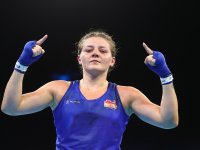


Team England’s boxers are only weeks away from lacing up the gloves at the Glasgow 2026 Commonwealth Games.
Boxing has a proud history at the Commonwealth Games as one of three sports to be part of every single Games since 1930, alongside swimming and athletics.
Here’s what you need to know.
When and where is boxing on?
The preliminary bouts get underway on Friday 24 July at the SEC Centre, on the banks of the River Clyde.
The quarter-finals, from Tuesday 28 to Wednesday 29 July, and the semi-finals on Friday 31 July, will build to a thrilling finals day on Saturday 1 August.
Commonwealth boxing returns to the SEC Centre after it hosted pulsating action more than a decade ago at Glasgow 2014.
English boxers springboarded themselves to Olympic glory and world titles in Scotland, as women’s boxing made its Games debut.
Nicola Adams claimed flyweight gold after winning the first Olympic women’s boxing gold at London 2012, before retaining her gold at Rio 2016 and holding the WBO flyweight title.
Former undisputed super-middleweight and WBO middleweight champion Savannah Marshall also claimed gold.
Joe Joyce, a one-time interim WBO heavyweight champion, also took the top step at super-heavyweight, two years before 'the juggernaut’ won silver at Olympic level.
How does boxing at the Commonwealth Games work?
Bouts at the Commonwealth Games will run to a maximum of three rounds of three minutes each.
Contests can end early with a knockout (KO) or if the referee stops the fight, which is called Ref Stopped Contest.
If the fight goes the distance, the judges’ scorecards decide who has won the bout, using the 10-point must system.
Five judges score each round separately, and judges award a round to a fighter 10-9 if they think a competitor has edged the round, 10-8 if a boxer has clearly won the round, or can call the round a 10-10 draw.
Boxers score points by showing strong defensive skill, landing punches in high-scoring areas, like the head and ribs, and applying pressure.
Earning a knockdown automatically deducts a point from your opponent’s scorecard. Points may also be deducted for fouls.
If the scorecards are tied, the judges determine who has held overall control through technical criteria to decide who progresses.
The stakes during each fight are simple - win and you’re into the next round. Lose and you are out.
Who is stepping into the ring for Team England?
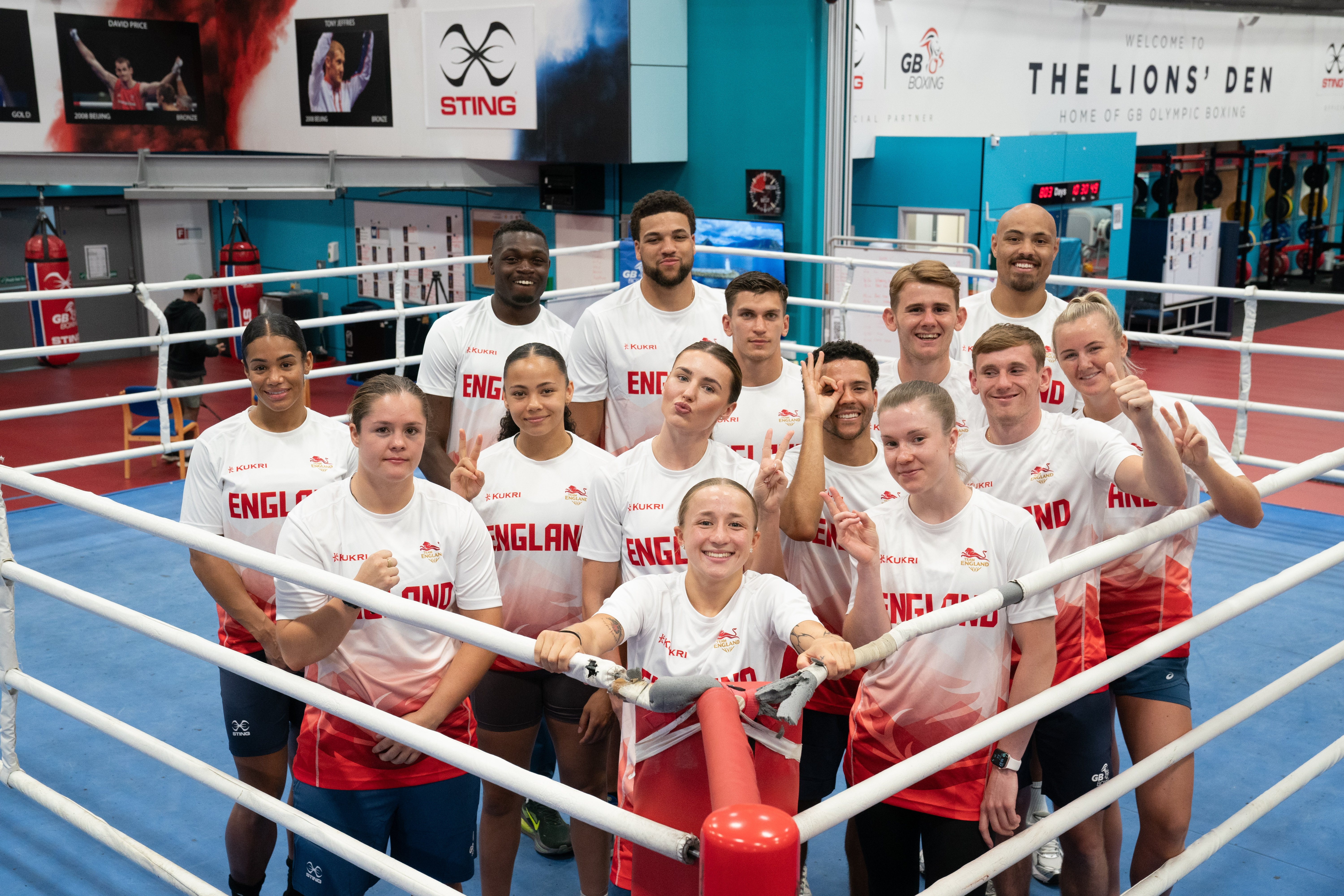
A squad of seven men and seven women are getting ready to make the trip north of the border.
Mary-Kate Smith will compete in the heaviest women’s category at 75kg middleweight, while world bronze medallist and Paris Olympian Chantelle Reid takes her place in 70kg middleweight contention.
Sacha Hickey and Lauren Mackie will compete at welterweight and bantamweight as both classes join the boxing competition.
World under-19 champion Ruby White competes in the flyweight class, with Elise Glynn and Lucy Kings-Wheatley rounding out the women’s team at bantamweight and featherweight respectively.
In the men’s competition, European youth champion Damar Thomas provides the power at super-heavyweight.
Anthony Joshua’s former sparring partner Isaac Okoh will also step into the arena against heavyweight powerhouses.
It’s a family affair for England’s Hewitt twins, with light middleweight Paddy and lightweight Will competing, while light heavyweight Dimeji Shittu and welterweight Patris Mughalzai complete the squad.
What is Team England’s history in boxing at the Commonwealth Games?
Team England know how to win boxing gold medals better than any nation in the history of the Commonwealth Games.
Boxing has featured in every Commonwealth Games since the inaugural edition in 1930, and England sit at the top of the historic medal table, winning an average of six medals per Games.
Team England picked up their 61st and 62nd boxing gold medals at Birmingham 2022, when Lewis Williams and Delicious Orie took the spoils in the two heaviest men’s divisions.
Two more silvers were picked up by Demie-Jade Resztan and Kiaran MacDonald, alongside four bronze medals. A haul of eight medals was the most medals won by any nation.
English boxers who won medals at the Commonwealth Games have become domestic and global superstars.
Audley Harrison challenged David Haye in a British blockbuster clash for the WBA heavyweight strap in 2010, but 12 years earlier he claimed Commonwealth gold at Kuala Lumpur 1998.
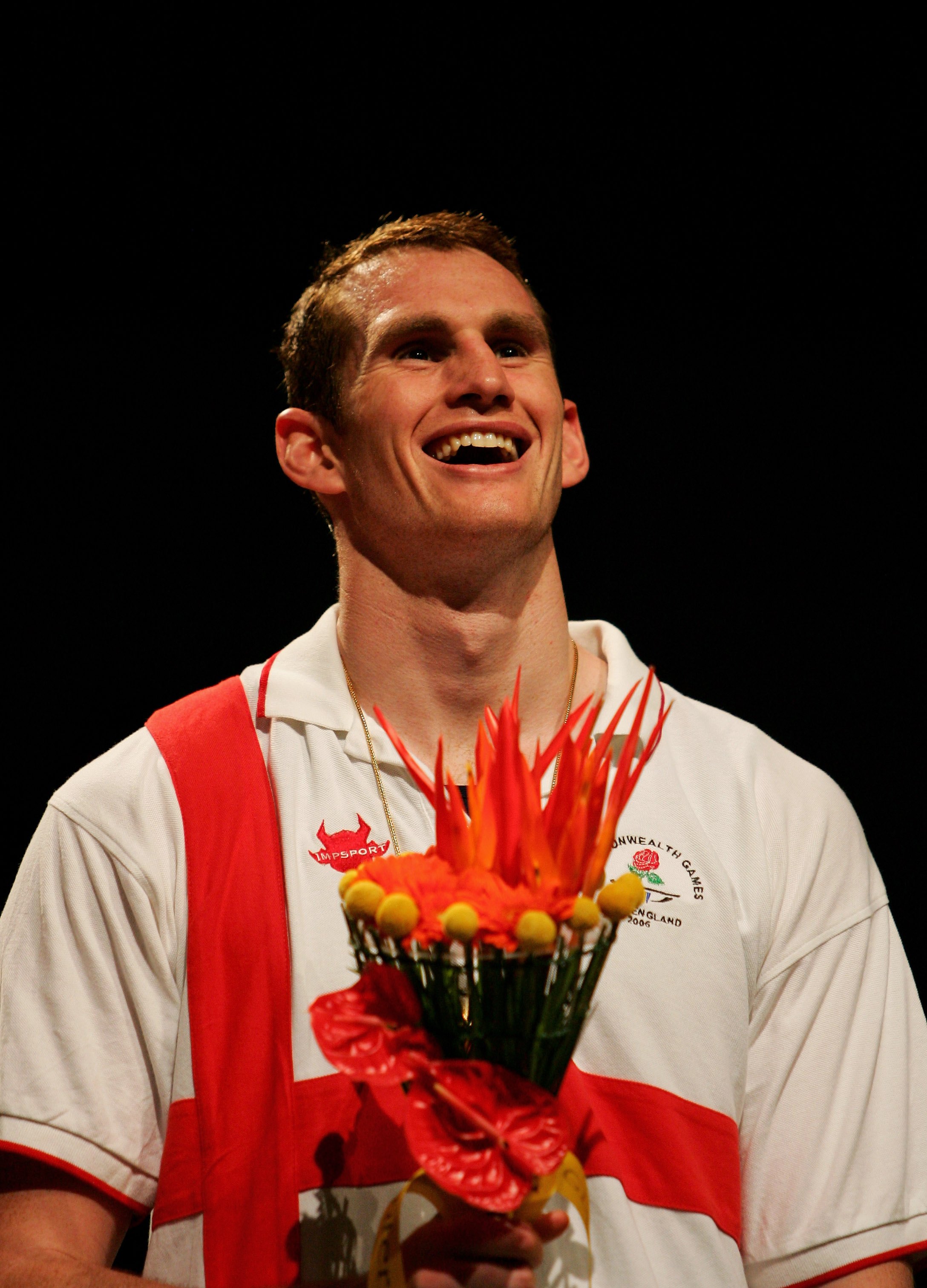
Inter-continental challenger David Price took the top step at Melbourne 2006, at the same Games where two-time IBF super-middleweight champion and Olympic gold medallist James DeGale won bronze.


